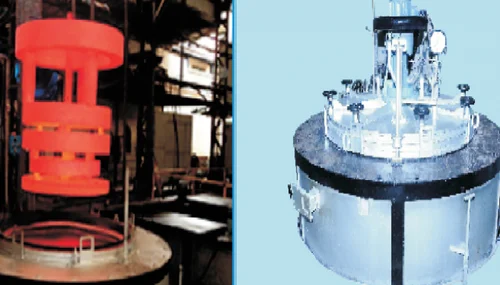
“Furnace Automation” refers to the implementation of automated systems and controls to manage and optimize the operation of industrial furnaces. Automation enhances efficiency, precision, safety, and overall control of furnace processes. Here’s what can be contained in a comprehensive furnace automation plan:
1. System Integration Goals: Clearly outline the objectives of furnace automation, such as improving process efficiency, reducing energy consumption, enhancing product quality, and ensuring safety.
2. Control System Selection: Specify the type of control system to be used, such as PLCs (Programmable Logic Controllers), DCS (Distributed Control System), or SCADA (Supervisory Control and Data Acquisition) systems.
3. Alarm and Event Handling: Define the criteria for generating alarms, notifications, and alerts based on abnormal conditions or critical events within the furnace.
4. Commissioning and Testing: Outline the procedures for commissioning and testing the automation system, including validation of control algorithms and safety features.
5.Maintenance and Support: Detail the preventive maintenance plan, spare parts inventory, and support arrangements to ensure the long-term reliability of the automated furnace system.
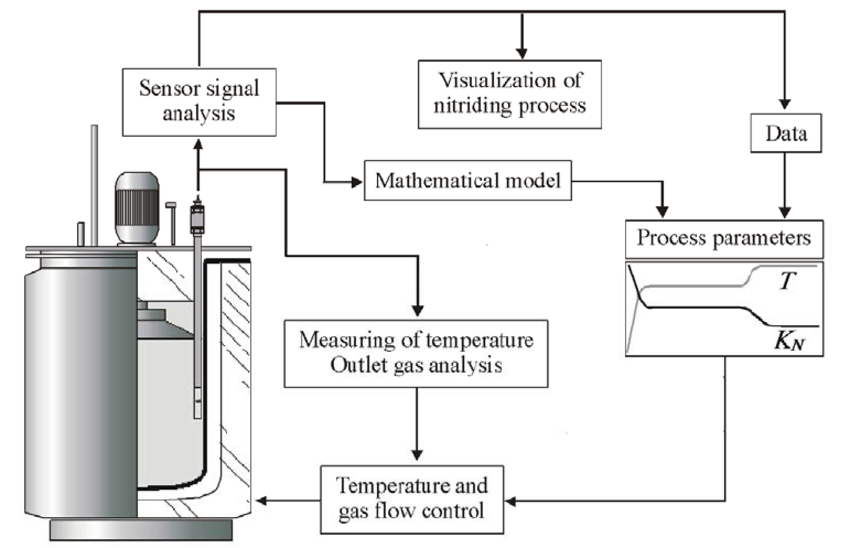
6. Remote Monitoring and Control: Explain how the automation system allows for remote monitoring, data visualization, and control adjustments, enhancing operational flexibility.